Why Women Lose Hair — and How to Treat It
Female hair loss in Singapore is more common than most realise — affecting 1 in 3 women at some point in their lives. Postpartum hair loss treatments in Singapore are among the most frequently sought, alongside female pattern hair loss and stress-related shedding. Whether it presents as hair thinning across the crown, sudden postpartum hair fall, or alopecia, female hair loss requires a different diagnostic and treatment approach from male pattern hair loss. Unlike male pattern baldness, women typically experience diffuse thinning across the crown and part line rather than a receding hairline, making it harder to notice until significant volume has been lost.
The most common causes in Singapore include female pattern hair loss (androgenetic alopecia treatment Singapore), postpartum hair loss Singapore, iron deficiency anaemia, thyroid dysfunction and chronic stress. Finding the right female hair loss treatment in Singapore starts with accurate diagnosis — treatment must address the root cause, not just the symptom. Identifying the underlying cause is critical before selecting the right treatment protocol.
Dr Sin Yong begins every hair loss consultation with a thorough assessment including blood tests and scalp examination to map the pattern and severity of loss before recommending treatment. See also: All Hair Restoration Treatments and Anti-Hair Loss Medications.
Why Choose Dr Sin Yong for Female Hair Loss
As a hair loss doctor Singapore with specialist qualifications in aesthetic medicine and practical dermatology, Dr Sin Yong approaches female hair loss as a medical condition requiring diagnosis before treatment. Every patient undergoes blood test analysis to rule out thyroid, iron and hormonal causes before a treatment programme is designed.
Healthy hair loss treatment Singapore for women is the one matched to the specific cause — androgenetic alopecia treatment Singapore requires different protocols from postpartum hair fall treatment Singapore or alopecia areata. Dr Sin Yong's hair loss clinic Singapore approach combines Luminescence Laser, exosome therapy and targeted medications into a personalised hair regrowth treatment Singapore programme with monthly monitoring and blood test reviews.
“Female hair loss is a diagnosis, not a shampoo choice — blood work comes before treatment.”
— Dr Sin Yong
Female Hair Loss Treatment Options
without knowing this!
Androgenetic thinning, patchy alopecia areata and stress-shedding are three different diseases with three different treatments. Products bought for the wrong type cost months of follicle miniaturisation you do not get back. Typing comes first — see androgenetic alopecia and alopecia areata.
How do the hair restoration modalities compare?
| Medications (topical & oral) | Regenera Activa micrografts | Exosome scalp therapy | H2LT laser + LLLT | |
|---|---|---|---|---|
| What it does | Slows the hormonal miniaturisation driving androgenetic loss | Autologous micrografts deliver progenitor cells to thinning zones | Regenerative signalling to support follicle cycling | H2LT laser stimulation of scalp circulation and follicle activity — followed immediately by about 20 minutes of LLLT over the treated areas |
| Best fit | Early-to-moderate androgenetic thinning; the foundation layer | Established thinning with surviving follicles | Adjunct across programme stages | Adjunct; no-needle preference |
| What it cannot do | Regrow follicles already lost | Replace typing — wrong-type cases waste the graft | Stand alone as a cure | Stand alone in advanced loss |
| Format | Daily, ongoing | Single session per cycle | Sessions in programme | Sessions in programme; ~20 min LLLT each visit |
This is why the programme is multi-modal: each layer covers what the others cannot — and the combination is chosen after typing, not before.
Which grade is your hair loss?
Hair loss is staged before it is treated — the grade decides how intensive the programme needs to be, and earlier grades hold far more salvageable follicles. Find your pattern below, then confirm it under the consultation scope.
| Grade I | Early widening of the central parting; density loss visible mainly on close inspection |
| Grade II | Pronounced thinning over the crown — the parting widens and scalp shows through under light |
| Grade III | Diffuse crown loss with clearly visible scalp; the frontal hairline is typically preserved |
| I–II | Minimal change to mild frontotemporal recession — the adult hairline forming |
| III / III vertex | First clinically significant recession; the vertex variant adds crown thinning |
| IV–V | Deeper recession and an enlarging crown patch, separated by a thinning bridge |
| VI–VII | The bridge is lost — frontal and crown loss merge toward the horseshoe pattern |
| S1 | Less than 25% of scalp involved — often one or a few discrete patches |
| S2–S3 | 25–74% involvement — patches multiplying or coalescing |
| S4–S5 | 75–100% involvement — approaching or reaching alopecia totalis |
| Beyond scalp | Loss of body hair defines alopecia universalis; eyebrow and lash involvement is graded separately |
Each pattern is a different disease: female pattern and androgenetic loss are hormonal and gradual, while alopecia areata is autoimmune and can move fast — see the androgenetic alopecia and alopecia areata guides. Your grade is confirmed at assessment, not guessed from the mirror.
“Female pattern hair loss widens the parting but spares the hairline — which is exactly why it hides in plain sight.”
— Dr Sin Yong
This includes postpartum hair loss treatment — the sudden shedding many mothers notice around three months after delivery — which is assessed and managed differently from pattern thinning. The price of any programme is confirmed individually at consultation, after the scalp and hair have been examined.
Dr Sin Yong Recommendations on Hair Restoration
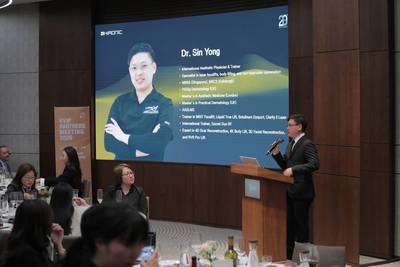
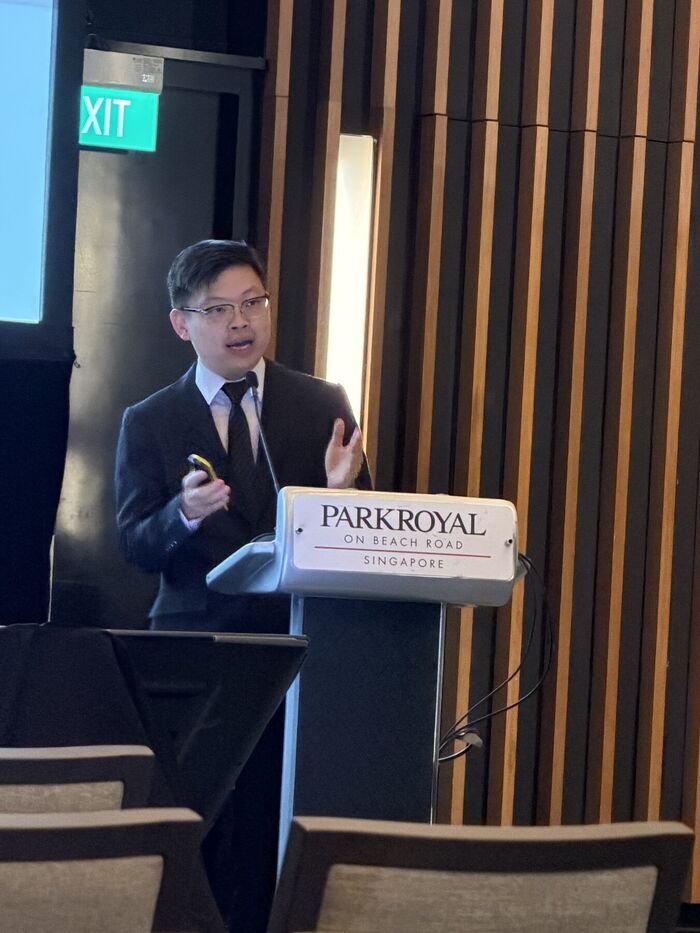
The physician who assesses your scalp is the one device manufacturers invite to train other doctors — across Seoul, Bangkok, Dubai and Singapore.


Prefer Not to Use WhatsApp?
Leave your name and mobile number and the clinic will contact you directly. No obligation.
Prefer a preliminary view first? You can also WhatsApp a photo of the area for Dr Sin Yong to review before you decide on a visit.