Laser hair removal consultation at Dr Sin Yong's clinic, Orchard Road, Singapore
Dual-Wavelength Long-Pulsed Laser · Orchard Road, Singapore

Laser Hair Removal in Singapore

Dr Sin Yong · MBBS (NUS) · MRCS (Edin) · MSc Aesthetic Medicine (London) · MSc Practical Dermatology (Cardiff) · International KOL

Two wavelengths, not one. A long-pulsed 755 nm alexandrite and 1064 nm Nd:YAG on the same platform — which is what allows treatment to be matched to skin type rather than the other way round.

Doctor-ledEvery assessment by Dr Sin Yong
MBBS · MRCS · MSc Practical Dermatology · MSc Aesthetic MedicineNUS · Edinburgh · Cardiff · London
Orchard RoadBy appointment

How Laser Hair Reduction Works

The principle is selective photothermolysis. Melanin in the hair shaft absorbs laser energy, that energy converts to heat, and the heat conducts to the follicular structures responsible for producing the hair.

Two things follow from this. First, the target is pigment — so hair that carries little melanin responds poorly regardless of the device. Second, the melanin in your skin competes for the same energy, which is where skin type becomes the governing variable.

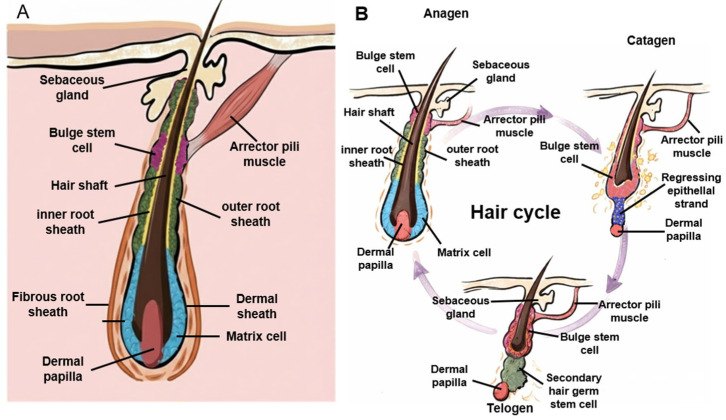
Hair also grows in cycles, and only follicles in the active anagen phase are susceptible at any given moment. This is why treatment is staged rather than done once.

Hair follicle anatomy and the hair growth cycle — anagen, catagen and telogen phases relevant to laser hair removal
Hair follicle anatomy and the hair growth cycle. Only follicles in the active anagen phase carry a pigmented shaft down to the structures the laser targets — the anatomical reason treatment is staged across sessions. Image: Huang et al., Current Issues in Molecular Biology, 2026 · CC BY.

Why the Wavelength Has to Match the Skin

This is the part most often glossed over, and it is the whole reason a dual-wavelength platform exists.

755 nm alexandrite is strongly absorbed by melanin. Where there is good contrast between dark hair and lighter skin — Fitzpatrick I to III — that strong absorption is precisely what you want. But the same property becomes a liability as skin pigment increases: surface melanin absorbs energy intended for the follicle.

1064 nm Nd:YAG behaves differently. The longer wavelength is less readily absorbed by melanin in the upper layers and penetrates deeper, so more energy reaches the follicle rather than being taken up on the way through. This is what makes it the appropriate wavelength for Fitzpatrick IV to VI.

Neither wavelength is better. They answer different skin. Having both on one platform means the treatment is matched to you, rather than you being told your skin type is unsuitable.

What This Means in Singapore

Singapore's population spans a wide phototype range, and a great deal of it sits in Fitzpatrick III to V — exactly the range where wavelength choice stops being academic.

Treatment on darker skin with an inappropriate wavelength or setting risks epidermal injury and post-inflammatory pigment change. Getting this right is a matter of assessment and parameter selection, not of buying a machine.

The same platform underpins Dr Sin Yong's R2 Glow protocol, where long-pulsed delivery is directed at inflammatory activity in the skin rather than at the hair follicle.

Which Areas Can Be Treated?

Any zone where dark hair grows against skin can be assessed — the wavelength and settings simply change with the territory. These are the areas most often treated at the clinic, for women and for men alike:

Face

Facial hair removal by zone — chin, upper lip, jaw and moustache line, cheeks and jawline, or the whole face. Settings here are the most conservative on the body.

Underarms / Armpits

The most requested single zone. Underarm laser hair removal replaces the shave–regrow–shadow cycle, and often improves the ingrown hairs and darkening that shaving leaves behind.

Arms

Upper and lower arms, treated together or separately — a high-visibility zone where staged clearance shows quickly.

Legs

Upper and lower legs — the largest routinely lasered territory, and the one where years of shaving or waxing time are most obviously repaid.

Brazilian & Bikini Line

From a tidy bikini line to a full Brazilian. Brazilian laser hair removal is performed with strict protocol and chaperoned professionalism — and largely retires the monthly wax.

Boyzilian

The male intimate equivalent. Men are treated as routinely as women at this practice — protocol, privacy and settings adjusted for coarser, denser hair.

Chest & Abdomen

Chest and abdominal body hair removal for definition or comfort — a common request from men, and treatable in sections or as one field.

Back, Shoulders & Neck

Back, shoulders and the back of the neck — zones impossible to self-shave and unrewarding to wax. Coarse truncal hair responds well to staged treatment.

Fingers & Toes

Small, precise zones — quick to treat, and frequently added to a larger plan.

Full Body

A full body hair removal programme in Singapore is sequenced across visits rather than done in one sitting — territories are grouped so each session stays comfortable and precise.

You will notice there is no price table on this page — deliberately. The area, the hair, the skin type and the staging differ so much between patients that a fixed menu misleads more than it informs; scope and cost are confirmed at consultation, before anything is done.

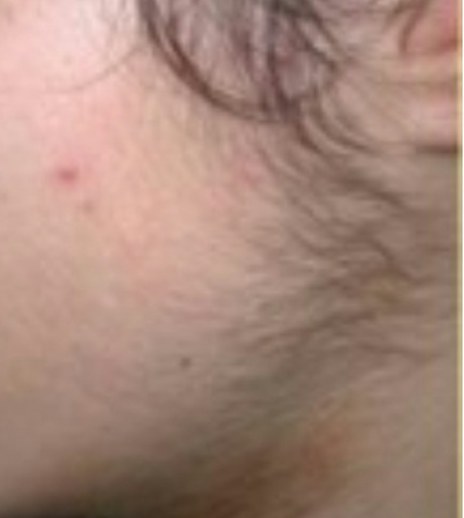
Dense sideburn and cheek facial hair before laser hair removal
Sideburn and cheek hair — a common facial hair removal request. Clinical image: Bacchini et al., Lasers in Medical Science, 2025 · CC BY.
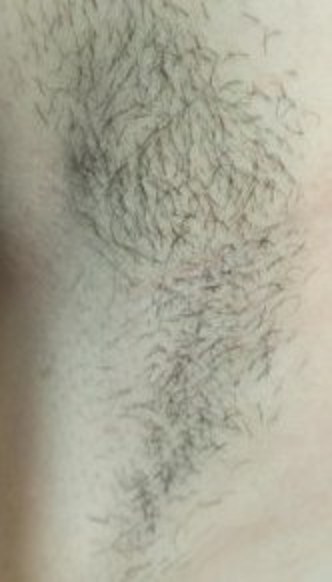
Dense axillary underarm hair before alexandrite laser hair removal
Axillary hair — the underarm is the most requested single laser zone. Clinical image: Shurrab & Nassr, JMIR Dermatology, 2025 · CC BY.
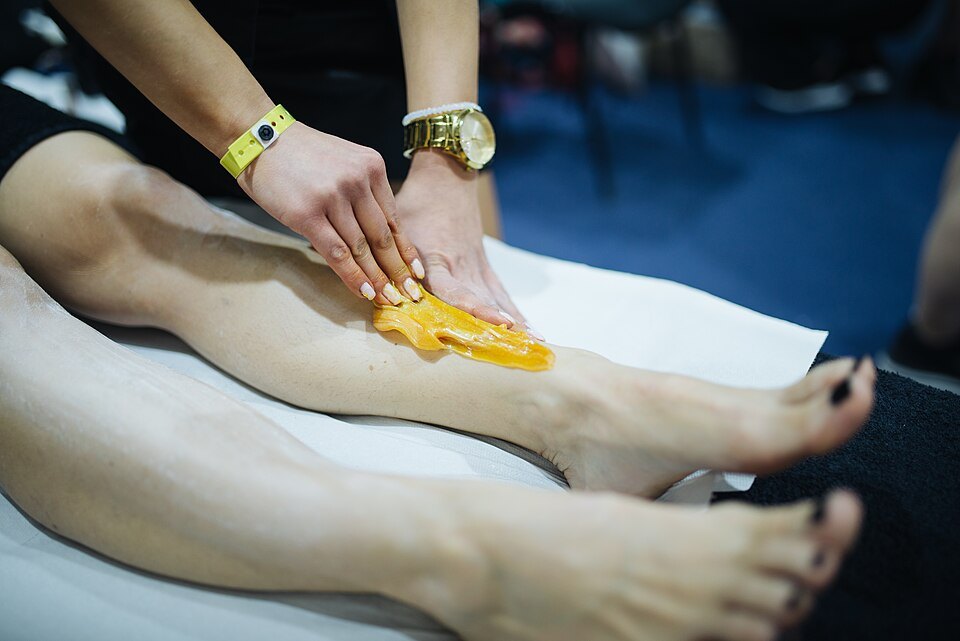
Waxing and sugaring depilation on a woman's legs — the repeat cycle laser hair removal replaces
Leg depilation by sugaring — smoothness for weeks, repeated forever; the cycle staged laser treatment is designed to retire. Photo: Shixart1985, Wikimedia Commons · CC BY 2.0.

Laser vs IPL, SHR, Waxing & Electrolysis

Most people comparing hair removal in Singapore are choosing between five different physics, usually without being told so. The honest comparison:

 Medical laser (this clinic)IPLSHRWaxingElectrolysis
What it isA single chosen wavelength — 755 nm alexandrite or 1064 nm Nd:YAG — at follicle-lethal fluenceA broadband flash lamp emitting many wavelengths at once — the basis of most salon and home devices“Super hair removal” — a low-fluence diode laser swept repeatedly to heat follicles gradually; the common salon offeringMechanical removal of the hair shaft from the follicleA fine probe destroying one follicle at a time with electrical current
Effect on the follicleThermal destruction of follicles in the active growth phaseDiluted across wavelengths — less energy reaches the follicle, so results are typically slower and shallowerGradual heating at lower energy — gentler per pulse, usually more sessions for equivalent clearanceNone — the follicle survives and regrows on scheduleDestroys the treated follicle — the only method formally labelled permanent hair removal
Honest name for the resultPermanent hair reduction, maintained with occasional top-upsTemporary-to-partial reduction with ongoing maintenanceReduction over a longer courseSmoothness for two to four weeksRemoval — but follicle by follicle, hour by hour
Where it fitsTerritories of dark hair on any skin type — with the wavelength matched by a doctorBudget maintenance where medical clearance is not the goalComfort-first salon courses, accepting the longer timelineEvents and stop-gaps — but never in the weeks before a laser sessionStray, isolated hairs — and grey or white hair, which no light-based device can target

Indicative comparison for patient education. IPL and SHR are legitimate technologies; the point is that they are different physics with different expectations, and the choice deserves to be made knowingly.

“Laser gives permanent hair reduction, not permanent erasure. A clinic that promises erasure is selling vocabulary, not physics.”

— Dr Sin Yong

Key Facts

At a glance
Platform
R2 Glow — long-pulsed dual-wavelength laser
Wavelengths
755 nm alexandrite and 1064 nm Nd:YAG
Mechanism
Selective photothermolysis — melanin in the hair shaft absorbs the energy, which conducts to the follicular structures
755 nm alexandrite
Strongly absorbed by melanin. Suited to Fitzpatrick I–III, where contrast between dark hair and lighter skin is high
1064 nm Nd:YAG
Longer wavelength, less absorbed by surface melanin, penetrates deeper. The wavelength of choice for Fitzpatrick IV–VI
Why two matters
A single-wavelength device forces a compromise on one end of the skin-type range. Two wavelengths remove that compromise
Cooling
Epidermal cooling protects the surface while energy reaches the follicle
Doctor-led
Assessment and settings determined by Dr Sin Yong, not by a fixed protocol

“A single-wavelength device forces you to compromise at one end of the skin-type range. Two wavelengths remove that compromise.”

Dr Sin YongOn dual-wavelength hair removal

What Determines the Cost

Treatment is planned individually, so the cost follows the plan rather than a fixed list. Four things shape it:

Factors discussed at consultation

  • The area treated. A single zone differs from several, and surface area drives the work involved.
  • What the assessment finds. The same complaint can have different causes, and the cause decides the approach.
  • Whether one modality or several. Some presentations are addressed by a single approach; others are not.
  • How the plan is staged. Work spread over time is planned differently from work done in one visit.

A figure quoted before assessment would not reflect your presentation. Cost is set out clearly at consultation, before anything is agreed.

Patients most often reach this page searching for “laser hair removal Singapore”, “permanent hair removal Singapore”, “best laser hair removal Singapore” or “painless hair removal Singapore”. Two of those phrases deserve a caveat: “best” is decided by whether the wavelength matches your skin, not by marketing — and no light-based treatment is truly painless, though epidermal cooling and honest settings keep it very manageable. The comparison above and the assessment below are how both questions get real answers.

Frequently Asked Questions

Laser hair removal works by selective photothermolysis. Melanin in the hair shaft absorbs laser energy, which converts to heat and conducts to the follicular structures that produce hair. Because the target is pigment, hair with little melanin responds poorly, and because hair grows in cycles, treatment is staged across sessions.

Yes, provided the wavelength is appropriate. The 1064 nm Nd:YAG wavelength is less readily absorbed by melanin in the upper skin layers and penetrates more deeply, which makes it the appropriate choice for Fitzpatrick IV to VI. Treating darker skin with a wavelength intended for lighter phototypes carries a risk of epidermal injury and post-inflammatory pigment change.

The 755 nm alexandrite wavelength is strongly absorbed by melanin, which suits Fitzpatrick I to III where dark hair contrasts with lighter skin. The 1064 nm Nd:YAG wavelength is less absorbed by surface melanin and penetrates deeper, which suits Fitzpatrick IV to VI. Neither is preferable in the abstract; they are matched to different skin.

The number of laser hair removal sessions varies with the area, hair characteristics and individual growth cycles. Only follicles in the active growth phase respond at any given session, which is why treatment is staged. The plan is set out at consultation after assessment rather than sold as a fixed package.

Commonly treated areas include the underarms, legs, arms, bikini line, back, chest and face. Suitability for each area, and the appropriate wavelength and settings, are assessed in person.

Most patients describe a snapping sensation with each pulse. Epidermal cooling is used to protect the skin surface and improve tolerance. Comfort varies between individuals and between areas, and is managed during the session.

Cost depends on the area treated, its surface area, and how the plan is staged across sessions. Because these differ considerably between patients, a figure quoted before assessment would not be meaningful. Pricing is set out clearly at consultation.

Suitability is assessed in person. Recent sun exposure or tanning, photosensitising medication, active infection or inflammation in the area, certain skin conditions and pregnancy are among the things considered. Not every patient or every presentation is appropriate for treatment.

IPL hair removal uses a broadband flash lamp emitting many wavelengths at once, while a medical laser delivers one chosen wavelength at the fluence needed to disable the follicle. IPL's energy is spread across wavelengths, so less reaches the target — which is why IPL courses in salons and home devices typically deliver slower, shallower reduction. Both are light-based; they are not the same physics.

SHR (super hair removal) is a low-fluence diode laser mode swept repeatedly over the skin so heat builds gradually in the follicle — the offering behind most salon diode laser hair removal in Singapore. It is more comfortable per pulse, and correspondingly gentler on the follicle, so equivalent clearance usually takes a longer course. It is a legitimate approach; it is simply a different trade-off, and you should know which one you are buying.

The accurate term is permanent hair reduction: treated follicles in the active growth phase are destroyed and do not regrow, but the body retains dormant follicles that can activate later, particularly with hormonal change. Most patients maintain their result with occasional top-up sessions. Only electrolysis — one follicle at a time — carries the formal label of permanent hair removal, which is honest but impractical for large areas.

Routinely. Chest and abdomen, back and shoulders, beard-line tidying and the Boyzilian are all standard male treatments here, with settings adjusted for coarser, denser hair. The assessment, protocol and privacy are exactly as rigorous as for any other patient.

Shave the area a day or so before your session; do not wax, epilate or pluck in the weeks beforehand. The laser targets melanin in the hair shaft sitting in the follicle — waxing removes exactly that target, leaving the laser nothing to act on. Minimise tanning before treatment, and tell the clinic about any new medication, as some increase light sensitivity.

Honestly: it is not painless, and no light-based treatment is. Most patients describe a hot snap per pulse, most noticeable on bony or intimate areas and mildest on limbs. Epidermal cooling runs throughout, settings are chosen for your skin rather than pushed to a maximum, and sessions are paced to stay very tolerable — which is the true answer behind every “painless hair removal” headline.

Speak With Dr Sin Yong

Consultations by appointment at Orchard Road, Singapore.

WhatsApp +65 8023 7170 →

References

  1. Anderson RR, Parrish JA. Selective photothermolysis: precise microsurgery by selective absorption of pulsed radiation. — Science, 1983.
  2. Alster TS, Bryan H, Williams CM. Long-pulsed Nd:YAG laser-assisted hair removal in all skin types. — Dermatologic Surgery, 2004.
Follow Dr Sin Yong
InstagramTikTokYouTubeThreadsXLinkedInFacebook
Dr Sin Yong · Every treatment personally performed
WhatsApp Enquiry